Beyond · Philosophy
Philosophy: a lifelong conversation
I have loved philosophy since I was a teenager. Reading Socrates and Aristotle, Bacon, Kant, Hegel, Schopenhauer and Nietzsche, alongside Ferdowsi, Ibn Sina, Khayyam and the Persian sages, taught me to ask better questions: about money, about people and about the universe. This page is a small tribute to the thinkers who shaped me.
Western thinkers
From ancient Athens to nineteenth-century Germany
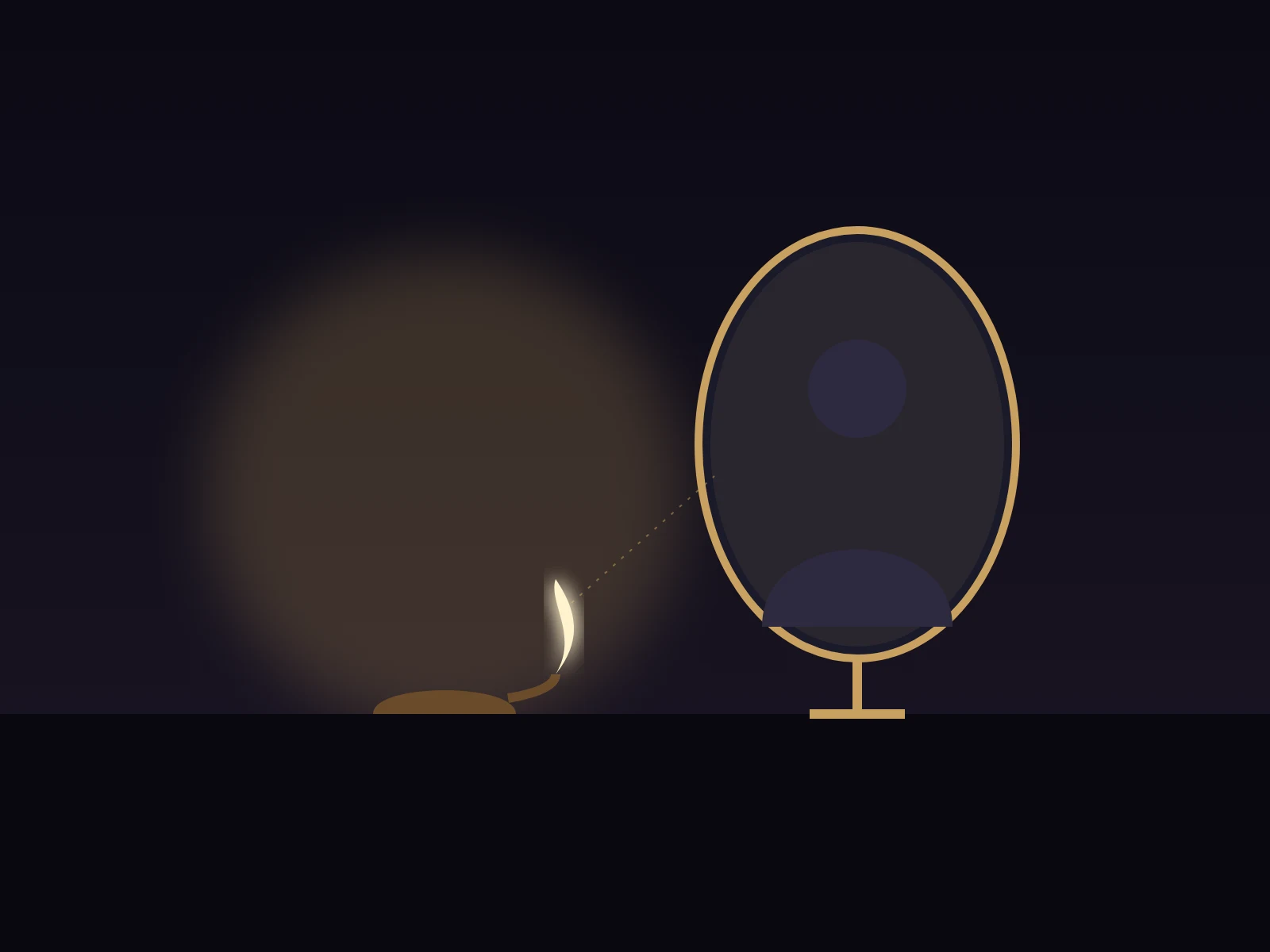
Philosophy as a way of life: asking questions, testing beliefs, and admitting what we do not know.
✦ Reveal the wisdomHide
“The unexamined life is not worth living.”
زندگیِ آزمودهنشده ارزش زیستن ندارد.— Plato, Apology 38aIn a world of instant opinions, the Socratic question “How do I know that?” is a quiet act of courage.

Wonder is the beginning of knowledge; a good life (eudaimonia) is built from virtue, practice and reason.
✦ Reveal the wisdomHide
“All men by nature desire to know.”
همهٔ آدمیان بنا به سرشت خود خواهان دانستناند.— Aristotle, Metaphysics, opening lineCuriosity is not a luxury; it is part of what makes us human. Feed it at every age.
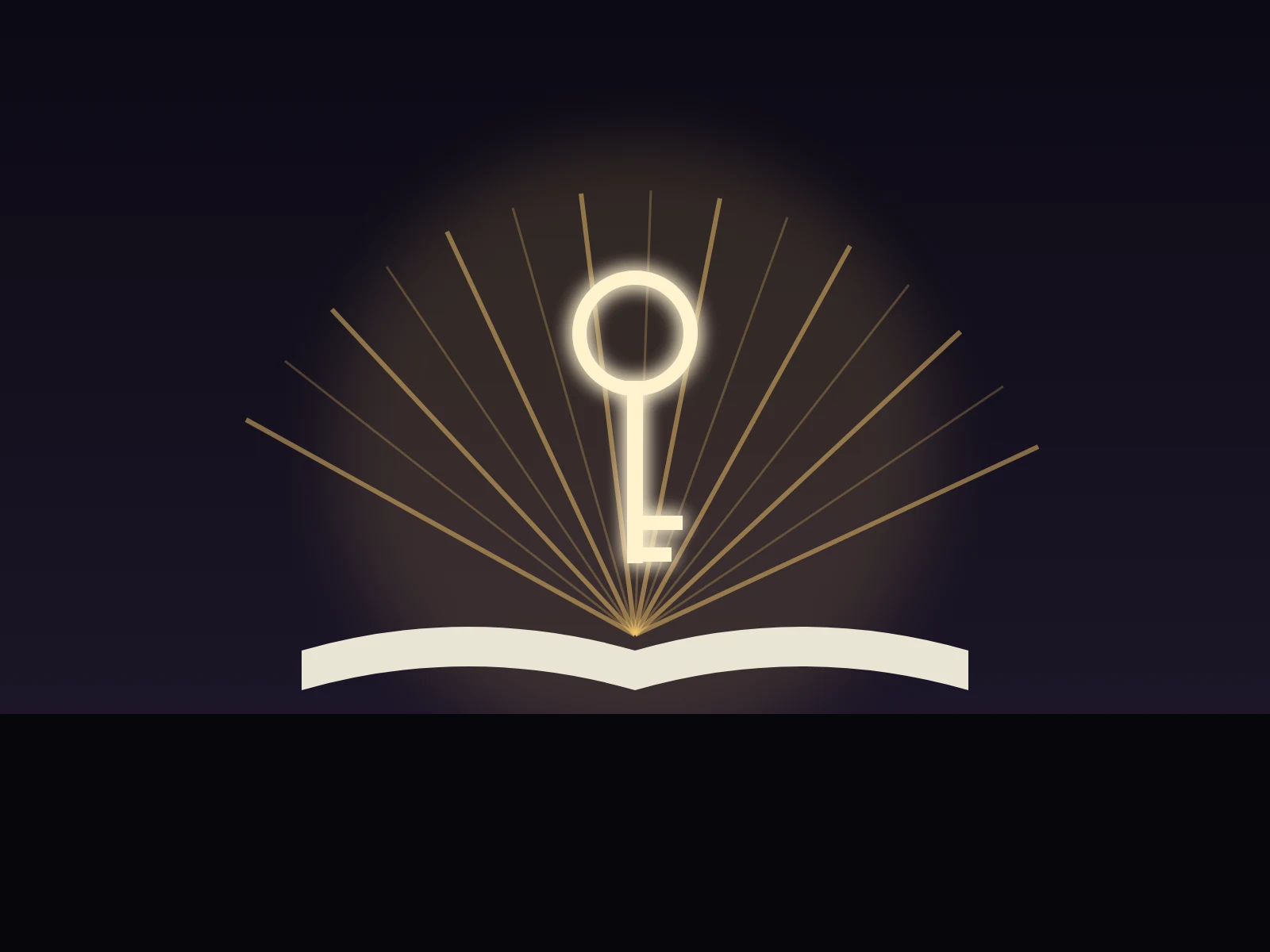
Father of the scientific method: observe, test and let evidence, not authority, decide.
✦ Reveal the wisdomHide
“Knowledge itself is power.”
دانش، خود توانایی است.— Francis Bacon, Meditationes Sacrae (1597)Six centuries earlier, Ferdowsi wrote «توانا بود هر که دانا بود». Two traditions, one insight.

Reason has limits, and morality is a duty we give ourselves: treat people always as ends, never merely as means.
✦ Reveal the wisdomHide
“The starry heavens above me and the moral law within me.”
آسمانِ پرستاره بر فراز من، و قانون اخلاقی در درون من.— Immanuel Kant, Critique of Practical Reason (1788)Two things filled Kant with awe: the cosmos outside and conscience inside. Both still deserve our wonder.

History moves through conflict and resolution (thesis, antithesis, synthesis), and understanding arrives late.
✦ Reveal the wisdomHide
“The owl of Minerva spreads its wings only with the falling of the dusk.”
جغد مینروا تنها با فرارسیدن غروب بال میگشاید.— G. W. F. Hegel, Philosophy of Right (1820), prefaceWe often understand a chapter of life only after it ends. Wisdom is the owl that flies at dusk.

Behind the world we see lies a restless will; art, compassion and contemplation offer moments of peace.
✦ Reveal the wisdomHide
“Every man takes the limits of his own field of vision for the limits of the world.”
هر کس مرزهای میدان دید خود را مرزهای جهان میپندارد.— Arthur Schopenhauer, Studies in Pessimism (Parerga and Paralipomena, 1851)Our circle of light is small and the universe is vast. Humility begins when we notice the edges of our own view.

Create your own values, embrace life fully, and become who you are, even through suffering.
✦ Reveal the wisdomHide
“He who has a why to live can bear almost any how.”
کسی که «چرایی» برای زیستن دارد، تقریباً هر «چگونهای» را تاب میآورد.— Friedrich Nietzsche, Twilight of the Idols (1889)Purpose is the lantern on the steep path. Viktor Frankl later built a whole psychology on this insight.
Iranian wisdom (Hekmat)
A tradition thousands of years old, uniting reason, ethics, light and poetry
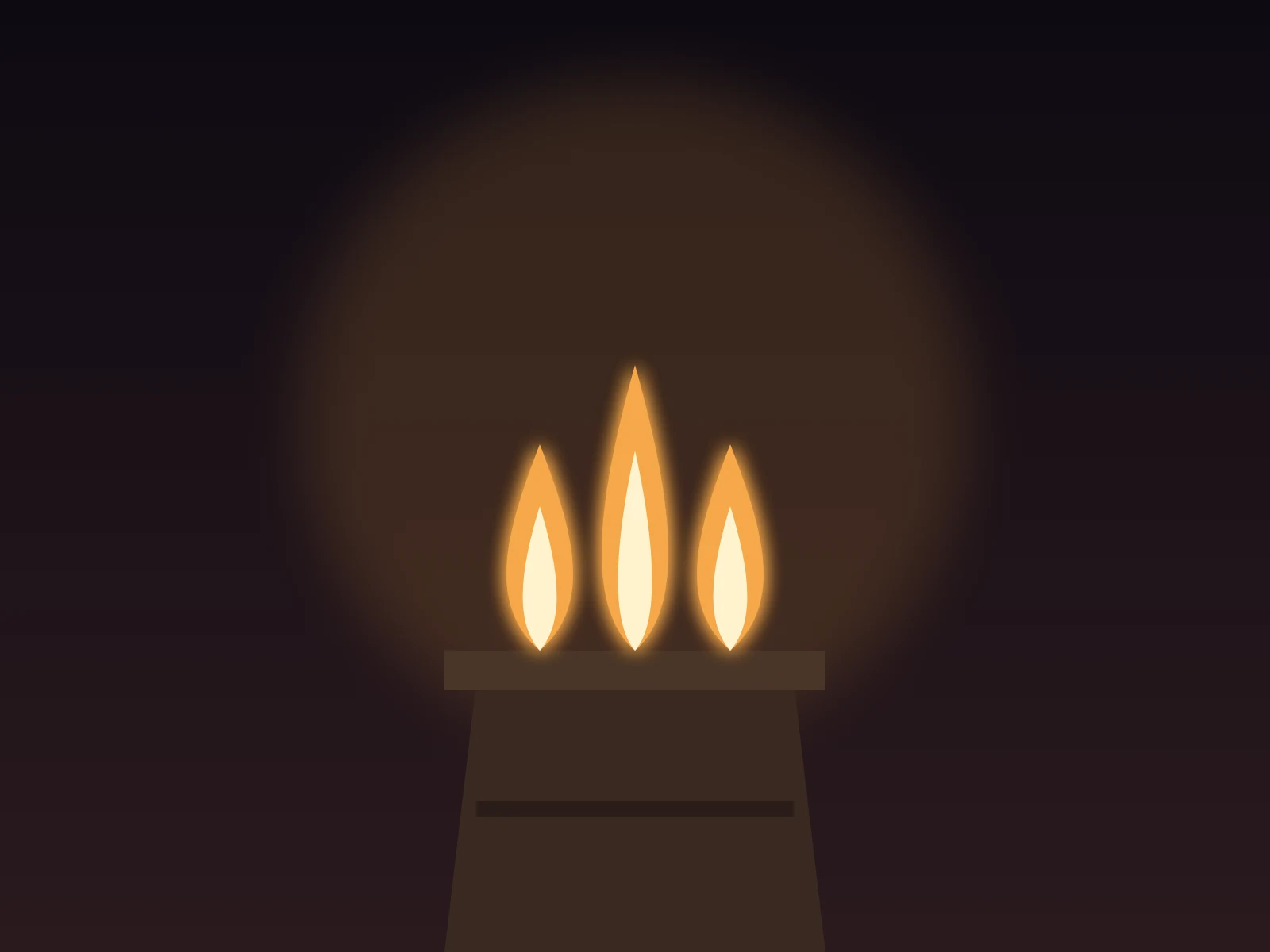
One of the oldest ethical teachings in the world: life is a choice between truth (asha) and falsehood, and every person is responsible for that choice.
✦ Reveal the wisdomHide
“Good thoughts, good words, good deeds.”
پندار نیک، گفتار نیک، کردار نیک.— Zoroastrian teaching (Humata, Hukhta, Hvarshta)Three small flames that still light the way: ethics begins in the mind, travels through speech, and is proven in action.

Poet of the Shahnameh, who preserved Persian language, history and ethics, and placed wisdom (kherad) at the heart of life.
✦ Reveal the wisdomHide
“Whoever is wise is powerful; through knowledge, an old heart becomes young.”
توانا بود هر که دانا بود
ز دانش دل پیر برنا بود— Ferdowsi, Shahnameh, openingLearning keeps the heart young. That is as true for a student today as it was a thousand years ago.

Physician and philosopher whose Canon of Medicine was taught in Europe for centuries; he united Aristotle, medicine and metaphysics into one great system.
✦ Reveal the wisdomHide
“From the depths of the dark earth to the height of Saturn, I solved every problem of the world… every knot was untied, except the knot of death.”
از قعر گل سیاه تا اوج زحل
کردم همه مشکلات گیتی را حل
بیرون جستم ز قید هر مکر و حیل
هر بند گشاده شد مگر بند اجل— Quatrain attributed to Ibn Sina (also attributed to Khayyam)Even the greatest mind meets a final mystery. Knowledge and humility belong together.
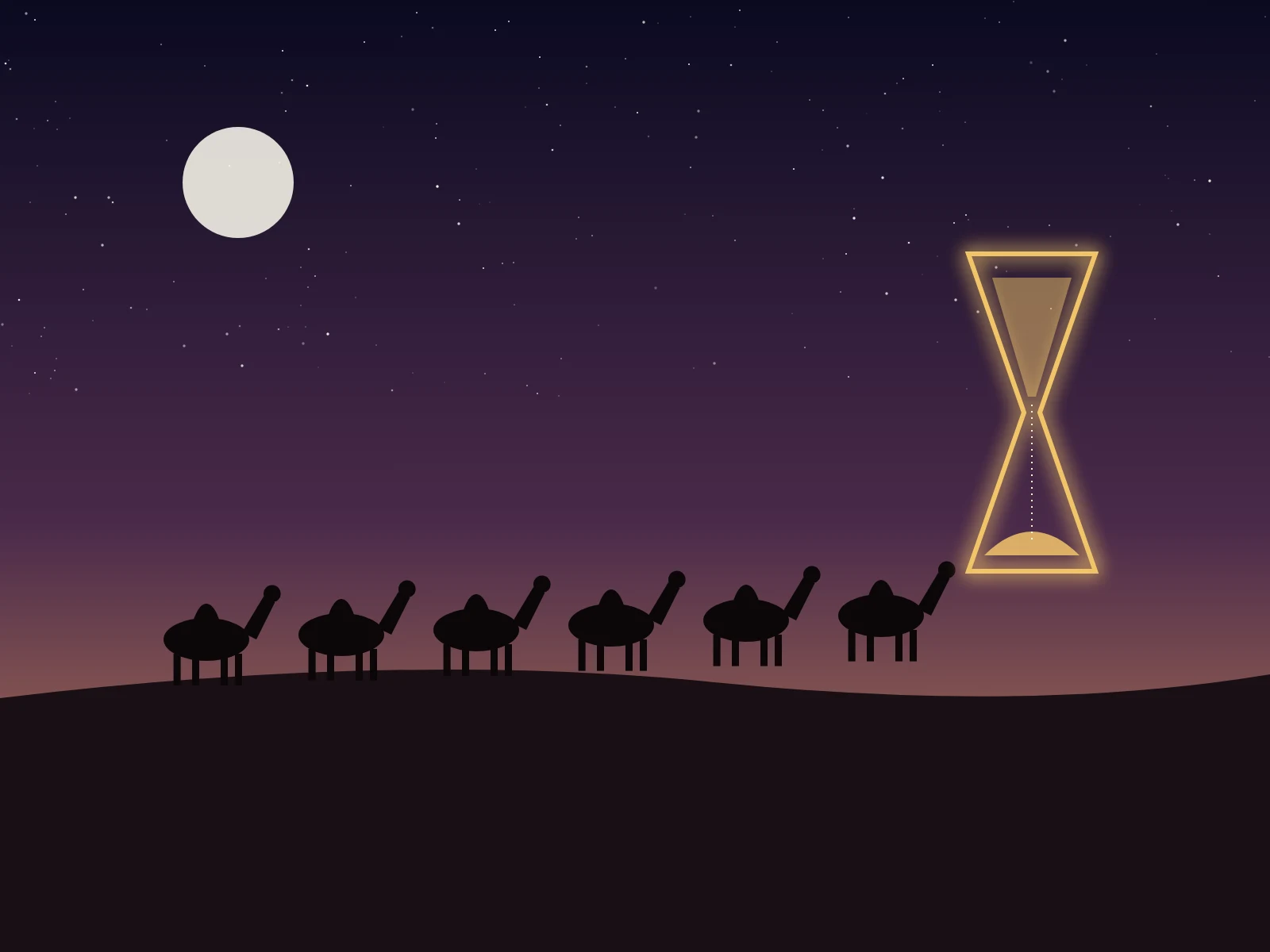
Mathematician, astronomer and poet, who reformed the calendar and wrote quatrains on time, doubt and the preciousness of the present moment.
✦ Reveal the wisdomHide
“How strangely this caravan of life passes by; seize the moment that passes in joy.”
این قافلهٔ عمر عجب میگذرد
دریاب دمی که با طرب میگذرد— Omar Khayyam, RubaiyatThe caravan does not wait. Plan for the future, but do not forget to live in the moment you are in.
Al-Farabi
c. 872–950Called the “Second Teacher” after Aristotle. His Virtuous City imagined a society led by wisdom and aimed at the happiness of all its people.
Suhrawardi
1154–1191Founder of the Philosophy of Illumination (Hikmat al-Ishraq): reality as degrees of light, with roots in ancient Persian wisdom (Hekmat-e Khosravani).
Mulla Sadra
c. 1571–1640Brought philosophy, mysticism and reason together in his “Transcendent Wisdom”; his idea of substantial motion (harakat-e jowhari) says all existence is constantly becoming.
Two traditions in dialogue
Where East and West arrive at the same truth
Knowledge is power
Bacon wrote it in Latin in 1597; Ferdowsi said it in Persian about six centuries earlier. Different worlds reached the same truth.
The stars and the inner law
Kant was moved by the starry sky and the conscience within; Ibn Sina and Khayyam measured the heavens and still bowed before life’s mystery.
Becoming
Nietzsche urged us to “become who you are”; Mulla Sadra taught that all existence is in constant becoming; Rumi sang of the reed longing to return to its origin.
Know thyself
“Know thyself” was carved at Delphi and lived in Socrates; in Persian tradition the same call echoes: whoever knows himself knows his Lord.
Quotations are short and based on standard translations; the Farsi renderings and reflections are my own. More reflections in Philosophy articles and Mysticism & Literature. نسخهٔ فارسی ←